
MCKINNEY
FENCE EXPERTS
Top Rated Fence Contractor in McKinney TX

Welcome
About Us
Our Services
Our range of products and services is designed to ensure that every fencing project, big or small, costly or cost-effective, is done to the best of its ability. Whatever your fencing needs are: commercial, residential or anything in between, we have you covered. Your fence deserves to function, look good and be a representation of you. We currently offer our services to those in the McKinney area and are always open to new and returning clients. No matter what your fencing needs are, we promise to deliver on anything from pool fencing, to privacy fencing, to security fencing and anything else you can imagine.
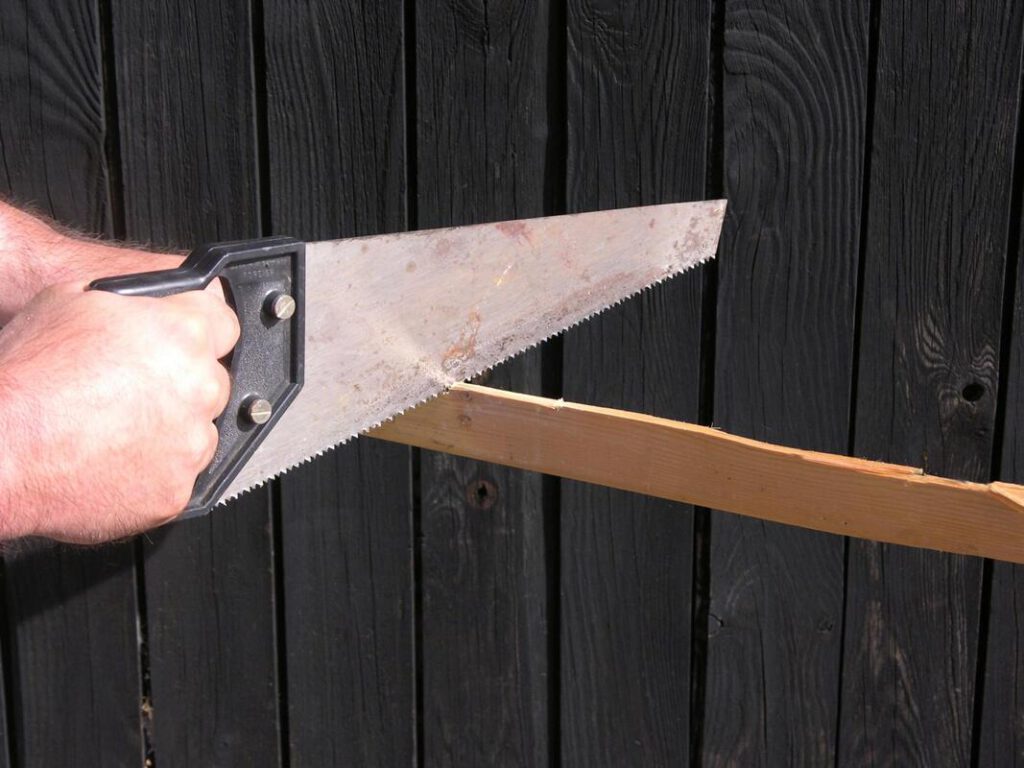
Wood, Iron, Vinyl
& Aluminum
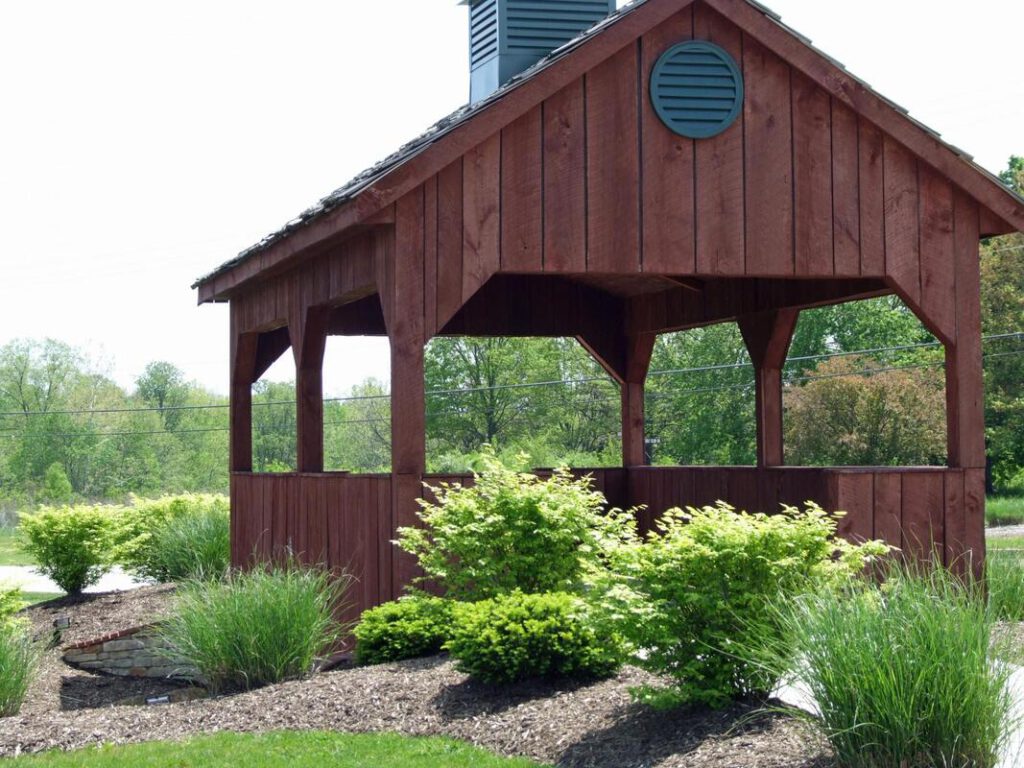
Gazebos & Custom
Arbors
“McKinney Fence Experts was one of the best calls I ever made. Their knowledge and kindness throughout my project was incredible. I never imagined I could get the fence I got on the budget I had, but these guys worked with me every step of the way.” - Mark T.
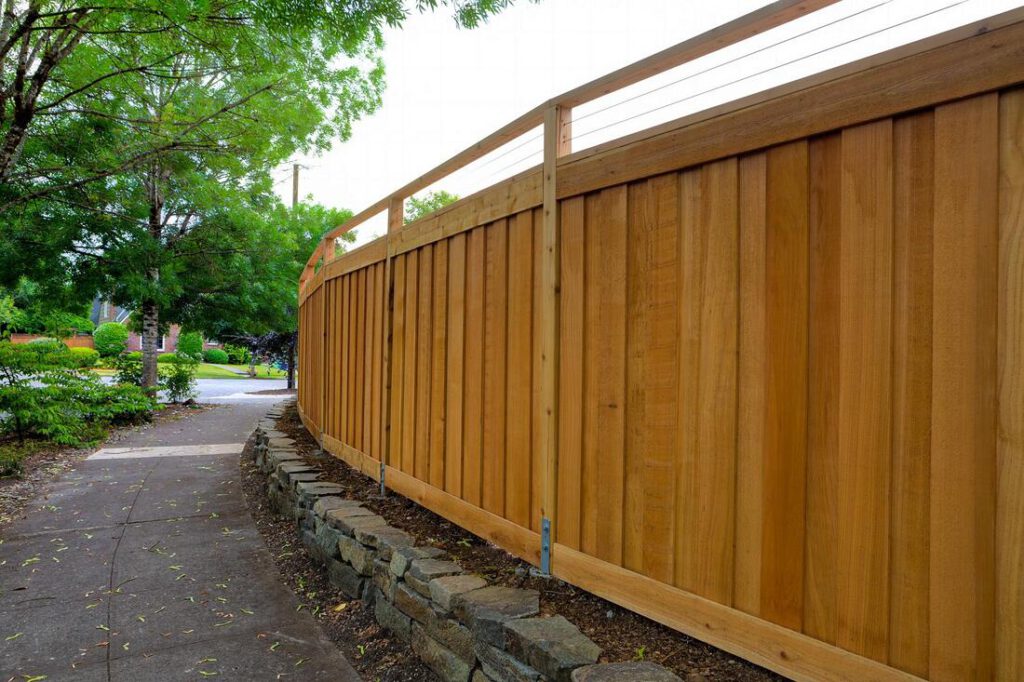
Privacy Fences
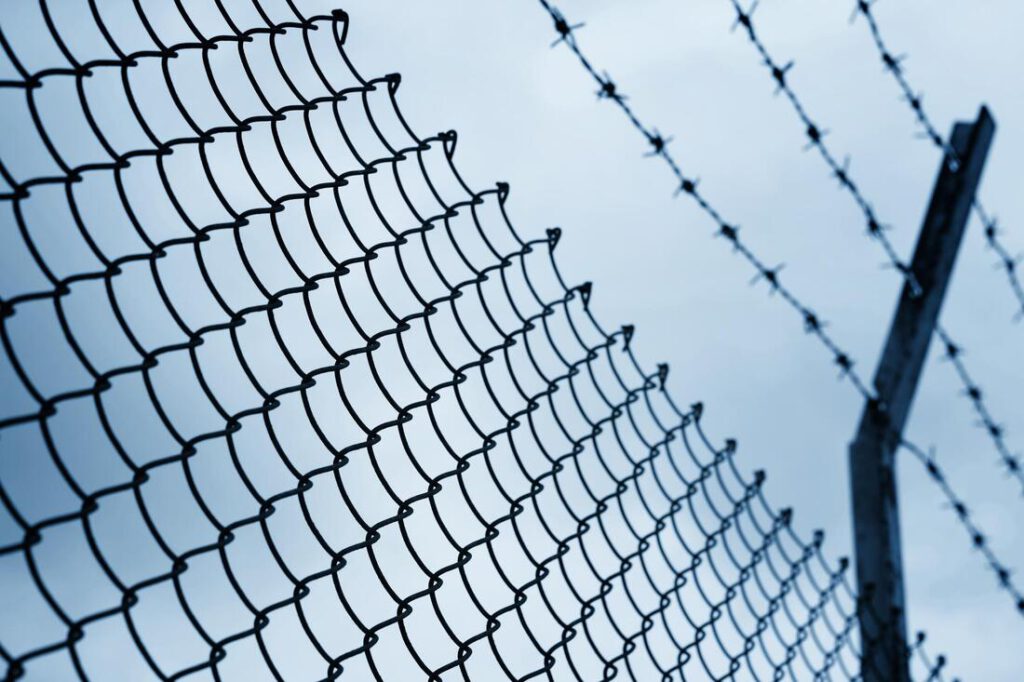
Security Fences
“After we purchased our house, we had a baby and, seeing as how the new house had a pool, we wanted to keep baby safe. Needless to say, McKinney Fence Experts was amazing. We got a beautiful pool fence that puts mine and my wife’s mind at ease.” - Pedro P.

Gates & Access
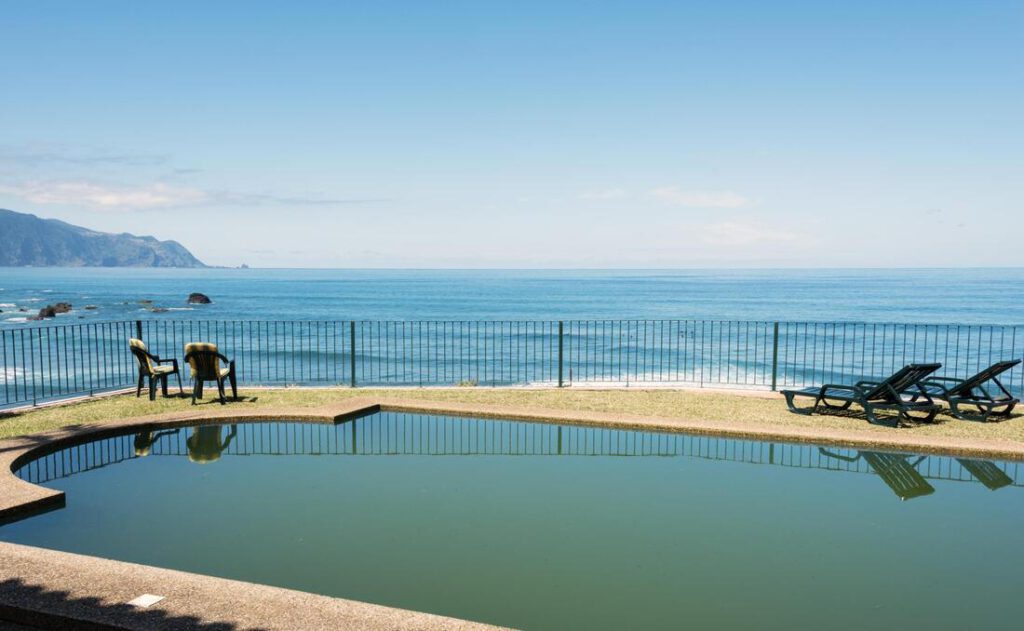
Pool Fences
“My business was having a security problem, with people wandering on to our property during the night. McKinney Fence Experts helped us to build an incredible security fence that, not only kept people from trespassing, but looks beautiful on our property. I truly couldn’t be happier with this.” - John R.